

How Action Items Turn Outreach Workflows Into Clear Next Steps
Action items turn complex outreach workflows into manageable decisions by showing what needs attention, why it matters, and what should happen next.
GrowthEngene Blog
Practical articles for teams setting up GrowthEngene, improving lead discovery, planning campaigns, and making content easier for search engines and AI answer systems to understand.
Latest Articles
Showing the latest 10 of 11 published articles.
Action items turn complex outreach workflows into manageable decisions by showing what needs attention, why it matters, and what should happen next.
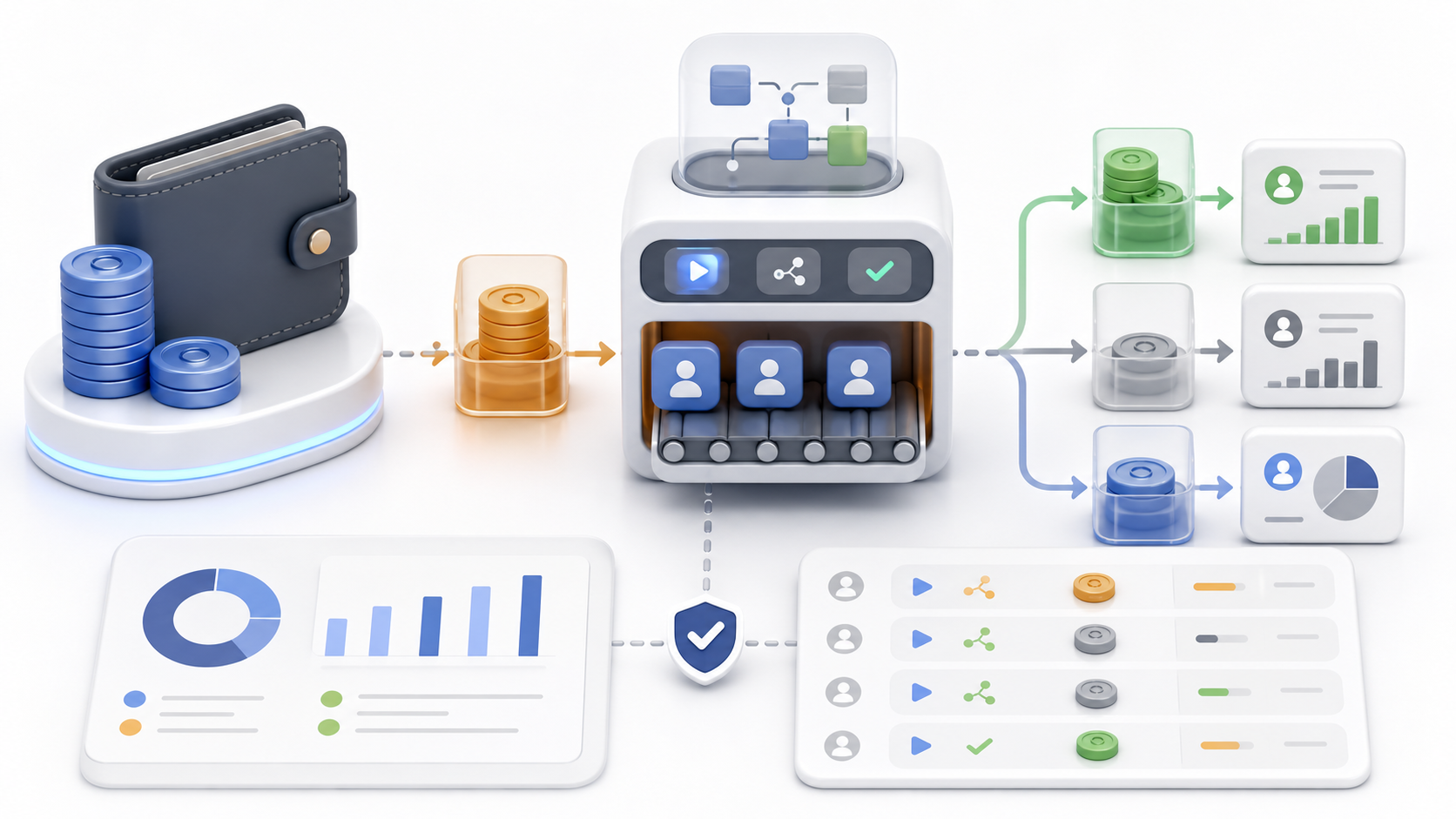
Credit-based usage helps teams connect automation cost to real work, prevent runaway usage, and make tradeoffs between discovery, enrichment, verification, and outreach.

LinkedIn safety limits matter because sustainable automation depends on pacing, relevance, human review, account health, and realistic behavior.
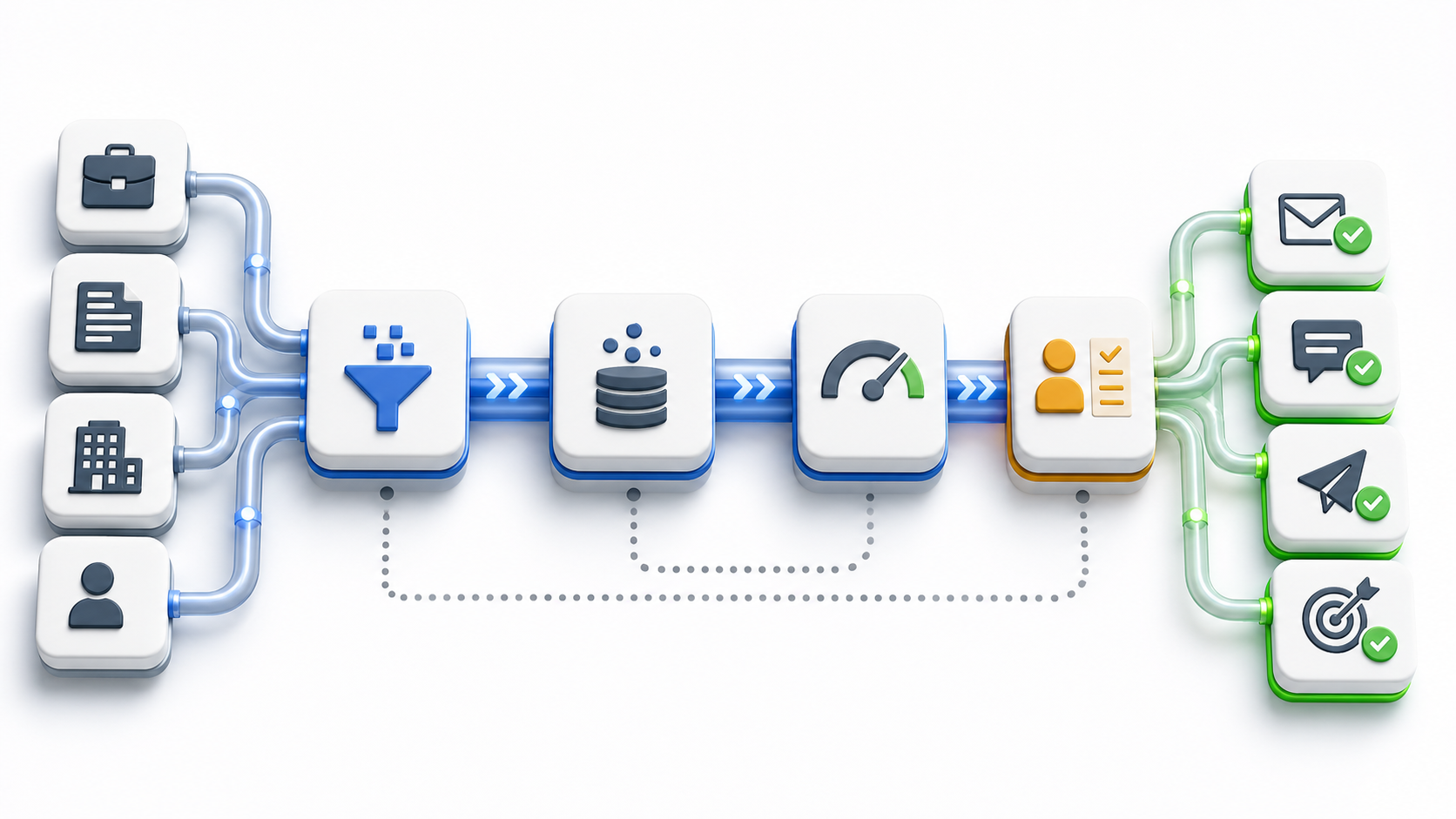
Pipelines help teams move from raw discovery to enriched records, reviewed decisions, and outreach actions without losing context between steps.
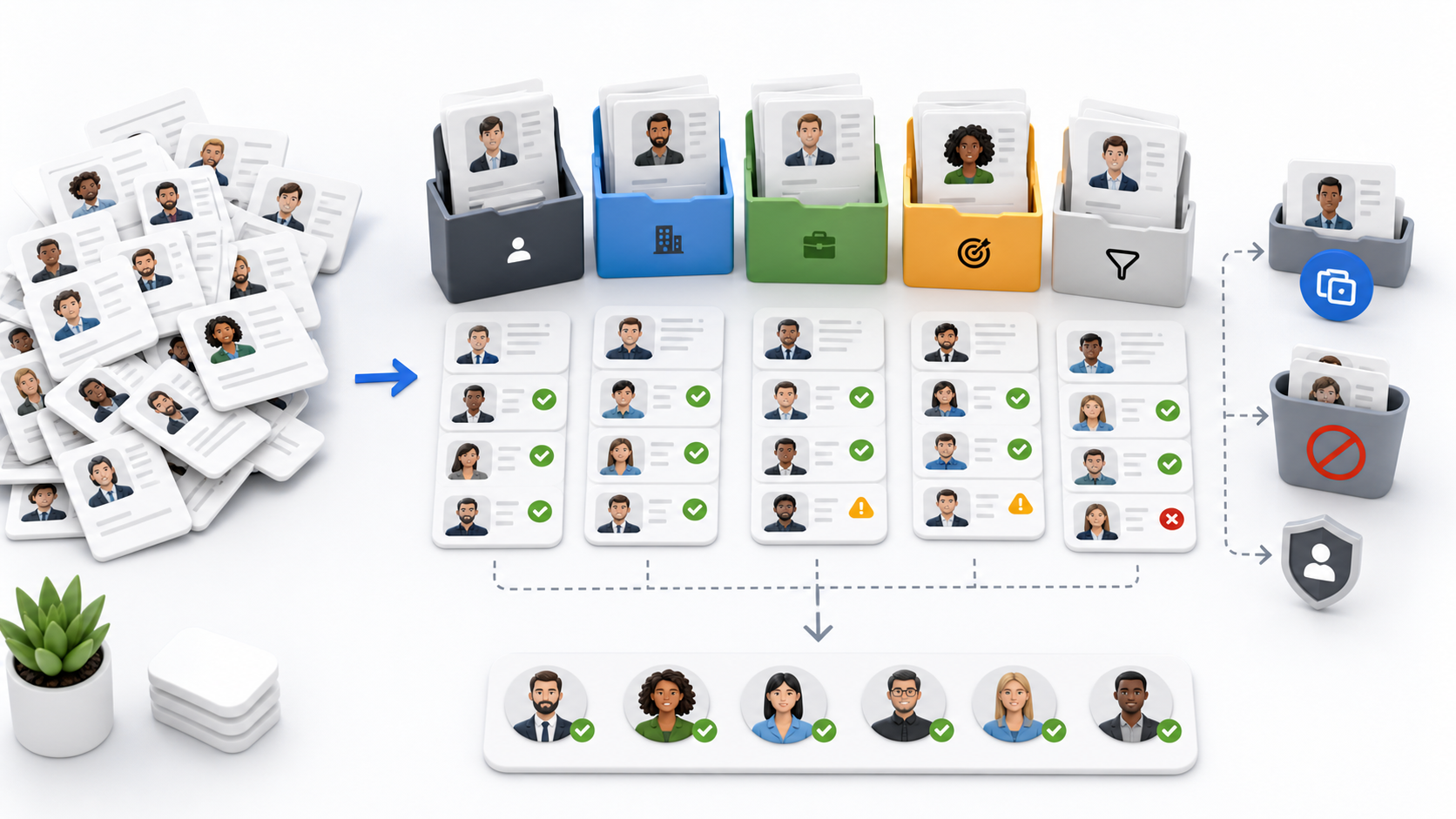
Contact groups reduce outreach chaos by organizing people by purpose, segment, source, consent, stage, and next action rather than leaving every contact in one list.
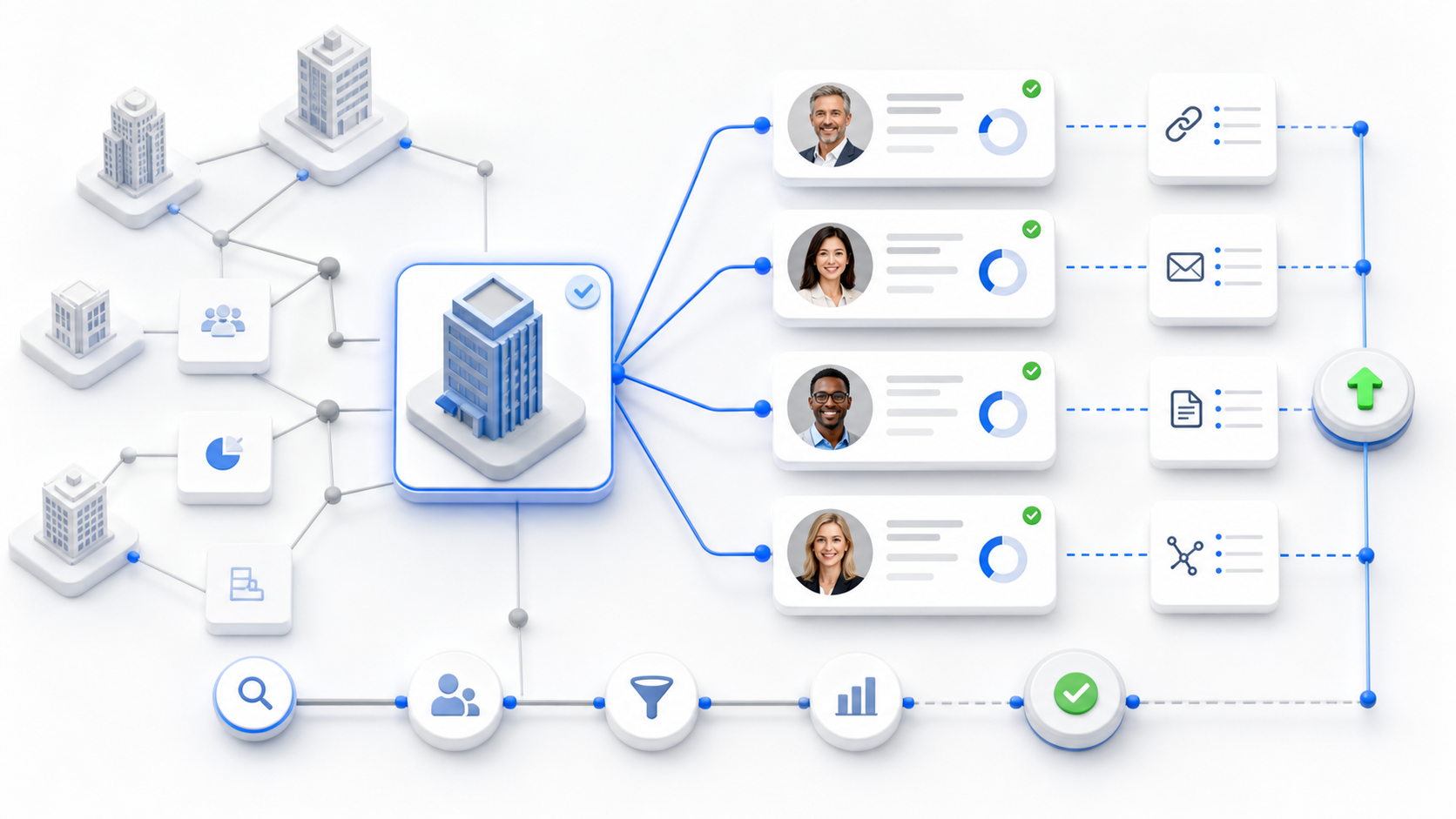
Search intelligence helps teams move beyond generic contacts by combining role logic, company context, evidence, confidence, and review.
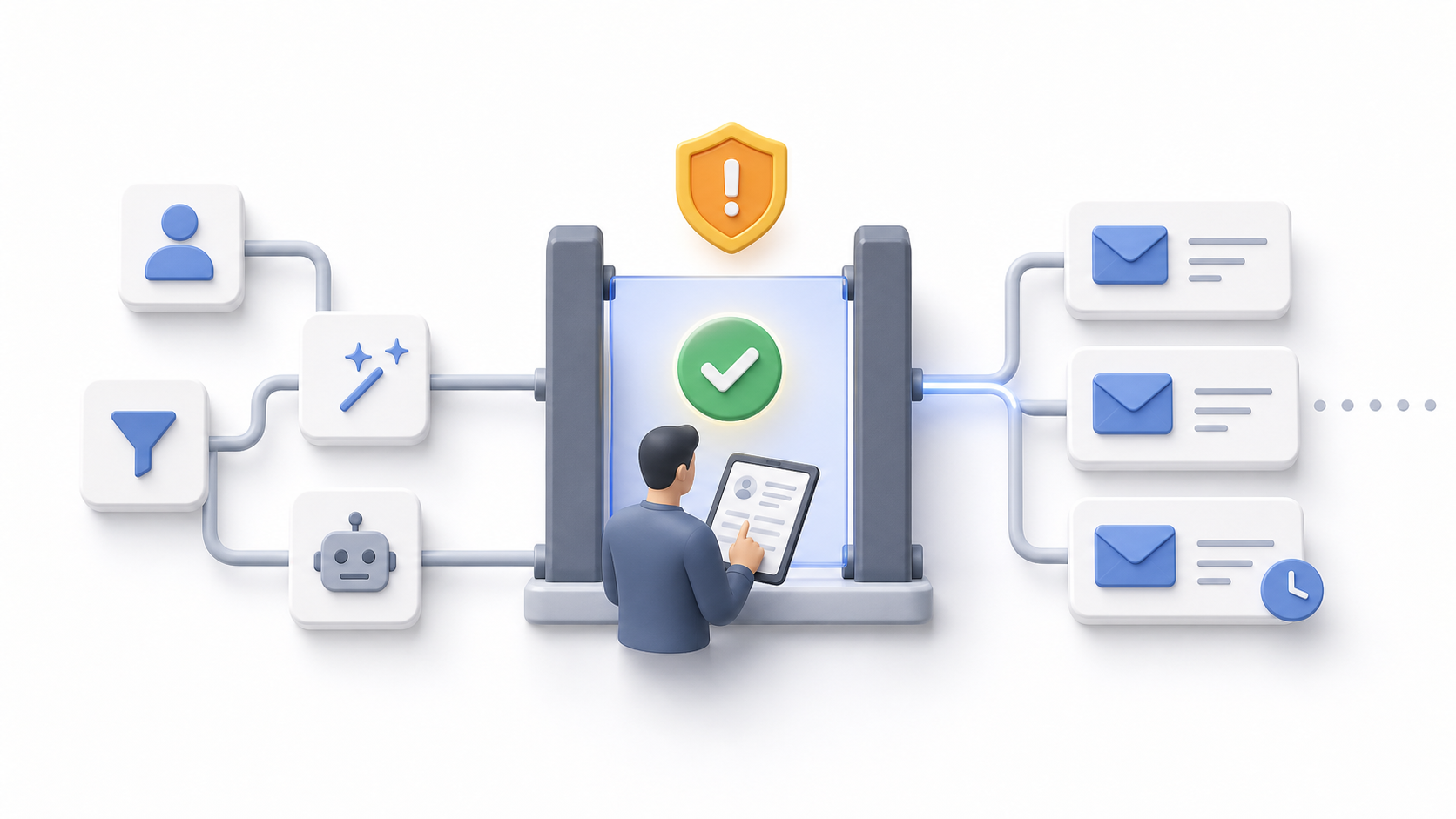
Review-first automation helps teams gain speed without losing judgment, context, compliance discipline, or sender reputation.

Email discovery works best as one controlled step inside a broader research, verification, consent, relevance, and outreach workflow.

LinkedIn posts often reveal hiring intent, buying intent, operational pain, and direct contact paths before those signals appear in structured databases.
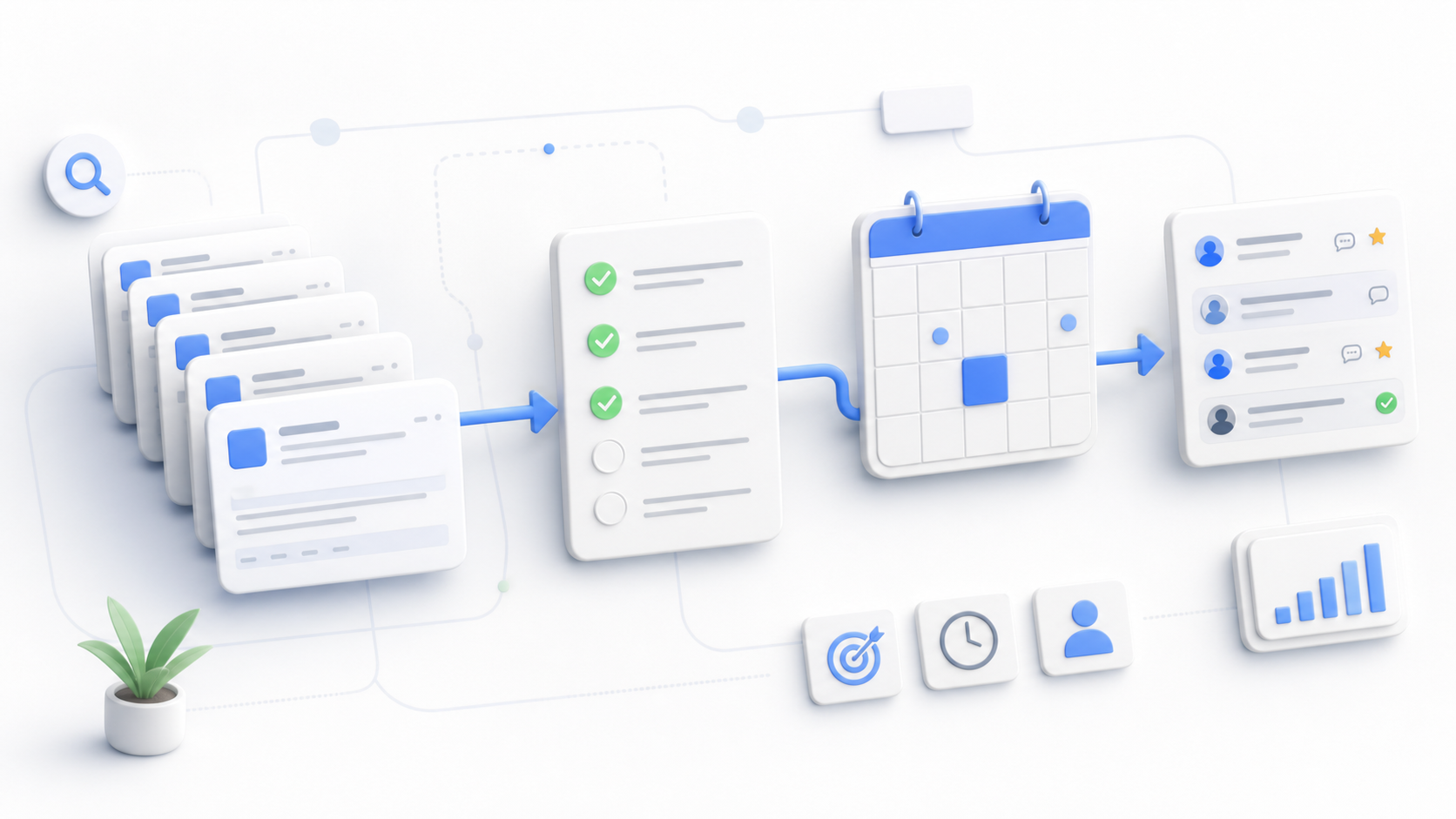
A deep guide to turning scattered LinkedIn job searching into a repeatable system for discovery, prioritization, outreach, tracking, and learning.